You know that feeling: the credits roll, but your mind is still racing, piecing together fragments, questioning everything you just saw. Was it real? Was it a dream? Whose truth were you actually watching? That's the hallmark of a truly great mind-bending psychological thriller, a genre designed not just to entertain, but to burrow into your consciousness and redefine your understanding of reality.
These aren't jump-scare fests or simple whodunits. Instead, psychological thrillers are cerebral puzzles, often starring unreliable narrators, featuring twisted plots, and culminating in shocking revelations or, perhaps even more unsettling, ambiguous endings. They blur the lines between reality and delusion, paranoia and prophecy, leaving you questioning long after the screen goes dark. As a seasoned observer of cinematic mind games, I’m here to guide you through the intricate corridors of this genre, exploring what makes these films tick, and introducing you to the ones that will truly mess with your head.
At a Glance: What You'll Discover
- The Core Ingredients: Unpack the elements that define a mind-bending psychological thriller.
- Master Architects: Meet the directors and storytellers who craft these reality-twisting tales.
- Your Essential Watchlist: A curated selection of films guaranteed to challenge your perceptions.
- Why We Crave the Chaos: Explore the deep-seated appeal of these unsettling narratives.
- Optimizing Your Viewing: Tips for getting the most out of every twist and turn.
What Makes a Film Truly "Mind-Bending"?
It's more than just a plot twist. A mind-bending psychological thriller doesn't just surprise you; it actively destabilizes your perception, playing with your assumptions and forcing you to re-evaluate every scene. Think of it as a cinematic optical illusion, where what you think you're seeing is deliberately manipulated.
At its heart, this genre thrives on a few key elements:
- Unreliable Narrators: Characters whose perspective is flawed, compromised, or outright deceptive. Their reality might not be the reality, and the film often hides this fact until the last possible moment.
- Blurred Reality: The line between what's real and what's imagined (or hallucinated, or delusional) is constantly shifting, keeping you off balance.
- Deep Psychological Exploration: These films delve into the human psyche, exposing fears, obsessions, guilt, and the fragility of identity. The "thrill" comes from the mental tension, not necessarily physical danger.
- Twisted Plots & Ambiguous Endings: Expect narratives that loop back on themselves, defy linear progression, or leave you debating the true outcome with friends for weeks.
- Subtle Dread, Not Jumpscares: The terror here is existential, a slow burn that creeps under your skin rather than a sudden fright.
These ingredients combine to create a uniquely immersive experience, one that trusts the audience to actively participate in deciphering the puzzle.
Architects of Illusion: Directors Who Master the Mind-Bend
Behind every great mind-bending thriller is a visionary director, someone unafraid to play with narrative structure and psychological depth. Names like David Fincher, Christopher Nolan, Martin Scorsese, and M. Night Shyamalan often come to mind, not just for their technical prowess, but for their commitment to exploring the darker, more complex corners of human experience.
Fincher, for instance, excels at crafting meticulously detailed worlds where every character feels both authentic and deeply suspect. Nolan is a master of non-linear storytelling, making the audience work to piece together fragmented realities. Scorsese, even in thrillers, dives deep into character psychology, often showing how external pressures twist internal states. These filmmakers don't just tell stories; they design experiences that manipulate perception itself.
The Ultimate Watchlist: Mind-Bending Psychological Thrillers That Defy Expectations
Ready to challenge your perception of reality? Here's a curated list of films that exemplify the mind-bending psychological thriller, complete with why they'll leave you questioning everything.
When Reality Itself Fractures
These films are masters of blurring the lines, making you wonder what's real, what's a dream, and what's a terrifying delusion.
- Shutter Island (2010): Martin Scorsese’s atmospheric masterpiece drags U.S. Marshal Teddy Daniels (Leonardo DiCaprio) into a remote asylum, where a missing patient case quickly unravels into a labyrinth of sinister secrets. The film expertly builds psychological tension, blurring reality and delusion until its haunting, unforgettable conclusion. IMDb 8.2.
- Memento (2000): Christopher Nolan’s breakout film tells the story of Leonard Shelby (Guy Pearce), who suffers from anterograde amnesia, in reverse chronological order. As he hunts his wife’s killer, viewers are challenged to piece together the narrative alongside him, creating an unparalleled sense of disorientation and heightening the psychological intensity. IMDb 8.4.
- The Machinist (2004): Christian Bale’s shocking physical transformation as Trevor Reznik, an insomniac machinist, is only the beginning. His life unravels amid a mysterious accident, pulling you into a chilling exploration of guilt, paranoia, and the devastating consequences of sleep deprivation. IMDb 7.6.
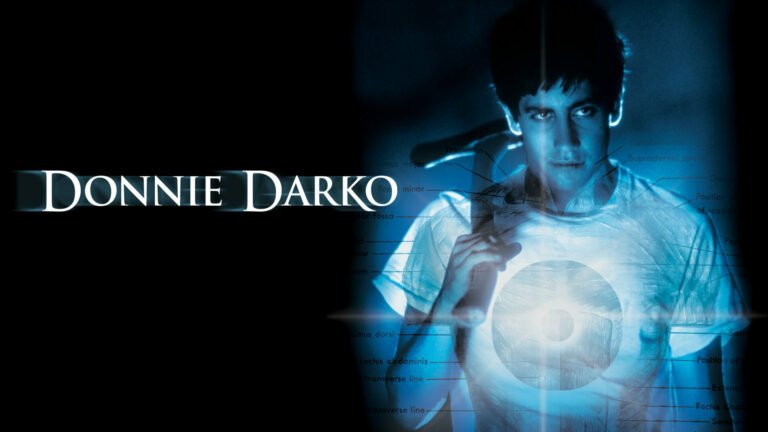
- Donnie Darko (2001): A cult classic, Richard Kelly’s film follows troubled teenager Donnie Darko (Jake Gyllenhaal) as visions of a menacing rabbit manipulate him. Its intricate plot involving time travel and existential questions makes it a truly unique and deeply psychological experience. IMDb 8.0.
- Vanilla Sky (2001): Tom Cruise stars as a wealthy playboy whose seemingly perfect life unravels after a disfiguring accident. The film masterfully blurs the line between reality and nightmare, twisting perception and memory in a way that will leave you dizzy.
- Jacob's Ladder (1990): A Vietnam War veteran experiences terrifying hallucinations and distorted reality as he struggles to uncover the truth about his past. This film is a psychological nightmare, deep-diving into trauma and its lasting impact on the psyche.
Narratives That Lie: The Deceptive Storytellers
These thrillers employ unreliable perspectives, intricate deceptions, and hidden truths to keep you guessing until the very end.
- Gone Girl (2014): David Fincher directs this chilling tale of Nick Dunne (Ben Affleck), whose wife, Amy (Rosamund Pike), mysteriously disappears. What follows is a media frenzy and police investigation that unravel dark marriage secrets, questioning reality with manipulative mind games and shocking twists. Rosamund Pike's performance is legendary. IMDb 8.1.
- The Usual Suspects (1995): After a deadly shootout, the lone survivor, "Verbal" Kint (Kevin Spacey), recounts the events that led a group of criminals to the mysterious figure Keyser Söze. This film plays with perception and deception, culminating in an iconic twist that redefined the genre.
- Fight Club (1999): Another Fincher gem, this film follows a disillusioned office worker (Edward Norton) who forms an underground fight club with a charismatic stranger (Brad Pitt). It’s a psychological unraveling that leads to a mind-bending twist, questioning identity, consumerism, and rebellion. If you're looking for Movies similar to Fight Club, you're seeking films that challenge societal norms and personal identity. IMDb 8.8.
- The Prestige (2006): Christopher Nolan’s intricate story of two rival stage magicians (Hugh Jackman and Christian Bale) whose bitter rivalry leads to obsession, deceit, and murder. Its complex plot and surprising twists delve into the nature of sacrifice and ambition with intricate psychological manipulation. IMDb 8.5.
- Oldboy (2003): A man inexplicably imprisoned for 15 years is suddenly released. His quest for revenge and the truth behind his captivity leads to a disturbing journey of vengeance, moral ambiguity, and dark revelations that will leave you stunned.
- Nocturnal Animals (2016): A woman (Amy Adams) receives a chilling manuscript from her ex-husband, forcing her to confront dark secrets as fiction and reality intertwine. The film leaves a haunting psychological dread that lingers long after viewing.
- The Game (1997): A wealthy businessman (Michael Douglas) finds his life spiraling into chaos when he becomes entangled in an elaborate game where nothing can be trusted. David Fincher maintains relentless psychological tension, making you question every motive.
- Fractured (2019): After his wife and daughter disappear from a hospital, a desperate father (Sam Worthington) searches for them, realizing the truth may not be what he remembers. This thriller thrives on paranoia and unreliable memory.
- Identity (2003): Ten strangers stranded at a remote motel during a storm begin dying one by one, leading to a shocking revelation about their true connection through mind-bending narrative twists.
- Bad Times at the El Royale (2018): FBI agents interview survivors of a violent roadside attack, uncovering wildly different and disturbing accounts, with shifting perspectives and psychological twists that constantly challenge your understanding.
The Descent into Madness: Obsession and Paranoia
These films explore the fragility of the human mind, showcasing characters driven to the brink by obsession, paranoia, and internal demons.
- Black Swan (2010): Darren Aronofsky directs Natalie Portman as a ballerina whose obsession with perfection leads her into a psychological spiral. As she prepares for a dual role, the film masterfully blurs the line between reality and hallucination, leading to a terrifying climax. IMDb 8.0.
- The Lighthouse (2019): Robert Eggers crafts a claustrophobic tale of two lighthouse keepers (Willem Dafoe and Robert Pattinson) who slowly descend into madness. Isolation, power struggles, and eerie visions blur the line between reality and insanity. IMDb 7.9.
- Hereditary (2018): After a family matriarch’s death, dark secrets emerge, sending grieving relatives into terror and madness. Ari Aster masterfully builds dread and unravels a disturbing mystery that is as psychological as it is supernatural.
- Prisoners (2013): A desperate father (Hugh Jackman) takes matters into his own hands when his daughter goes missing, leading to a harrowing moral dilemma with intense psychological tension and ethical ambiguity. It's one of those films that explore moral ambiguity with devastating precision. IMDb 8.1.
- Requiem for a Dream (2000): Darren Aronofsky’s raw and powerful film depicts four individuals chasing their dreams while spiraling into addiction. The devastating consequences shatter their grip on reality, offering a disturbing psychological descent into despair. IMDb 8.3.
- Zodiac (2007): David Fincher's meticulous portrayal of a newspaper cartoonist (Jake Gyllenhaal) who becomes obsessed with uncovering the identity of the elusive Zodiac Killer. It’s a slow-burning descent into paranoia, driven by real-life mystery. IMDb 7.7.
- Nightcrawler (2014): Jake Gyllenhaal delivers a chilling performance as a desperate man who discovers the dark underworld of crime journalism. As his hunger for success turns into dangerous obsession, ethical lines blur, creating an unsettling psychological thriller. IMDb 7.8.
- Enemy (2013): A history professor (Jake Gyllenhaal) discovers his exact doppelgänger, leading him down a surreal path of obsession and identity crisis, rich with paranoia and symbolism.
- The Lodge (2019): A grieving couple takes in a mysterious visitor, finding themselves trapped in a terrifying and surreal situation that thrives on tension and questioning what is real.
- Apostle (2018): Set on a remote island, a father convinces his sons they’ve been chosen by God to destroy demons disguised as humans, leading to a disturbing tale of faith and madness with an eerie atmosphere and an unreliable narrative.
The Twist That Changed Everything
These films are remembered for their iconic, jaw-dropping revelations that completely reframe everything you thought you knew. For movies with truly insane plot twists, these are essential viewing.
- The Sixth Sense (1999): M. Night Shyamalan’s seminal film introduces a young boy (Haley Joel Osment) who communicates with spirits, seeking help from a child psychologist (Bruce Willis). Its iconic twist ending became a benchmark for psychological thrillers, noted for its suspense and emotional depth. IMDb 8.2.
- The Others (2001): Nicole Kidman stars as Grace, living in a secluded mansion with her two photosensitive children, who begins to suspect their home is haunted. The film's gothic atmosphere and truly memorable twist ending make it a standout psychological thriller. IMDb 7.6.
- High Tension (Haute Tension) (2003): Two college friends are terrorized by a sadistic killer at a remote farmhouse. This French horror-thriller is an intense game of survival and a shocking exploration of human brutality and madness, capped off with a notorious twist.
- Predestination (2014): A time-traveling agent hunts a mysterious criminal, uncovering a mind-blowing truth about his own existence. This film brilliantly plays with identity, paradoxes, and psychological tension.
- Unbreakable (2000): M. Night Shyamalan’s follow-up to The Sixth Sense sees a man (Bruce Willis) survive a deadly train crash without a scratch, questioning his true nature as a mysterious stranger (Samuel L. Jackson) pushes him toward an unsettling revelation in this slow-burning psychological thriller. IMDb 7.3.
Beyond Reality: Sci-Fi & Supernatural Blurs
When the mind-bend meets the speculative, these films use fantastical elements to amplify their psychological terror.
- Annihilation (2018): A biologist (Natalie Portman) joins a mission into a mysterious environmental anomaly where reality begins to warp, and her perception of life is tested, blending psychological tension with eerie sci-fi horror. IMDb 6.8.
- 12 Monkeys (1995): A time traveler (Bruce Willis) from a dystopian future investigates a deadly virus that devastated humanity. Terry Gilliam weaves a complex and nonlinear story that blurs the boundaries between past, present, and future, making you question fate and sanity. IMDb 8.0.
- Source Code (2011): A soldier (Jake Gyllenhaal) wakes up in another man’s body, reliving the same eight minutes repeatedly to prevent a catastrophic bombing. This gripping mystery bends time and reality, offering a unique psychological puzzle. IMDb 7.5.
- Arrival (2016): A linguist (Amy Adams) is recruited to communicate with alien visitors, but as she deciphers their language, her perception of time and reality begins to shift. It's a blend of sci-fi with deep psychological and philosophical exploration. IMDb 7.9.
- The Butterfly Effect (2004): A man (Ashton Kutcher) discovers he can time travel to his past and change his life, but each change has unintended and often tragic consequences, creating a psychologically complex narrative about fate and free will. IMDb 7.6.
- The Empty Man (2020): A former detective investigates a missing person case, stumbling upon a sinister urban legend that seems to be coming to life, blending paranoia, cosmic horror, and reality-warping suspense.
Social & Existential Experiments
These films trap their characters (and you) in highly controlled, often terrifying, scenarios that expose the darkest corners of human nature under duress.
- Parasite (2019): Bong Joon-ho's Oscar-winning film sees a poor family slowly infiltrate the lives of a wealthy household, leading to an intricate game of deception that spirals out of control. It blends sharp social commentary with intense psychological tension. IMDb 8.5.
- Cube (1997): A group of strangers wakes up inside a maze of deadly, shifting rooms, forced to solve cryptic puzzles. Psychological tension builds as paranoia and fear take hold, turning people against each other in a brutal social experiment. IMDb 7.2.
- Circle (2015): Fifty strangers wake up in a mysterious room and realize they must vote on who among them will die next. This forces them into a tense battle of morality and manipulation, a gripping and disturbing social experiment. IMDb 6.0.
- The Guilty (2018): A demoted police officer working 911 dispatch (Jake Gyllenhaal) receives a distressing call from a kidnapped woman, launching a tense race against time that plays with perspective and perception, all from a single location. IMDb 7.5.
- Vivarium (2019): A young couple searching for their dream home gets trapped in a surreal, empty suburb where escape is impossible, and time distorts, playing on isolation and existential dread.
- Midsommar (2019): A grieving woman (Florence Pugh) joins her boyfriend’s trip to a secluded Swedish festival, slowly realizing the seemingly peaceful retreat hides disturbing psychological horror unfolding in broad daylight.
- In the Tall Grass (2019): A brother and sister venture into a vast field after hearing cries for help, only to find no way out, playing on primal fears of isolation and the unknown.
- Exam (2009): Eight candidates enter a mysterious, high-stakes job interview with unclear rules, where they must solve a single question. The film thrives on tension, mind games, and survival instincts.
The Calculated Chills of the Hunter and the Hunted
These stories feature cunning antagonists and protagonists engaged in a battle of wits, where the psychological cat-and-mouse game is as terrifying as any physical threat.
- The Silence of the Lambs (1991): FBI trainee Clarice Starling (Jodie Foster) seeks help from the brilliant but cannibalistic Dr. Hannibal Lecter (Anthony Hopkins) to catch another serial killer. The chilling psychological interplay between characters is a defining feature, showcasing how mental manipulation can be more terrifying than physical violence. IMDb 8.6.
- Seven (Se7en) (1995): David Fincher delivers a dark, gritty masterpiece where two detectives (Brad Pitt and Morgan Freeman) hunt a twisted serial killer who stages his murders according to the seven deadly sins. It leads to a devastating finale with dark psychological intensity and a truly shocking ending. IMDb 8.6.
- American Psycho (2000): Christian Bale portrays Patrick Bateman, a wealthy investment banker who leads a double life as a serial killer. The film draws viewers into his twisted psyche, exploring themes of excess, materialism, and moral decay, leaving you to question what’s real and what’s a delusion. IMDb 7.6.
- You Were Never Really Here (2017): Joaquin Phoenix stars as a traumatized hitman who rescues trafficked girls, but his violent world collapses as paranoia and personal demons close in, showcasing intense psychological intensity and brutal minimalism. IMDb 6.8.
Why Do We Crave the Unsettling? The Psychological Appeal
It's a valid question: why do we willingly subject ourselves to films that mess with our heads, leaving us feeling unsettled and questioning reality? The answer lies deep within our psychology.
For one, it's a safe way to explore dangerous ideas. In the comfort of our homes or a darkened theater, we can confront themes of madness, betrayal, and existential dread without real-world consequences. This allows us to process anxieties, fears, and moral dilemmas in a controlled environment.
Furthermore, mind-bending thrillers engage our cognitive faculties. They're puzzles to solve, inviting us to be active participants in the narrative rather than passive observers. There’s a thrill in trying to outsmart the film, to predict the twist, or to fully grasp the layers of deception. When a film successfully pulls the rug out from under us, it's a testament to brilliant storytelling, and there’s a strange satisfaction in having our perceptions challenged.
The lingering impact is also a key draw. Unlike a fleeting jump scare, the questions posed by a mind-bending thriller stay with you, prompting introspection and conversation. It’s a powerful form of escapism that ironically brings us closer to understanding aspects of ourselves and the human condition. If you want to understand why horror movies resonate so deeply, much of it has to do with this same desire to safely confront our fears.
Optimizing Your Dive into Delusion: Tips for Watching
To truly appreciate the artistry of these films, a certain mindset helps. Here's how to get the most out of your viewing experience:
- Embrace the Unknown: Don't fight the confusion. Lean into it. The disorientation is part of the experience. The less you try to figure things out immediately, the more impactful the eventual reveals will be.
- Pay Attention to Detail: Every lingering shot, every strange line of dialogue, every subtle prop placement—it could all be a clue. These films are meticulously crafted, and often reward rewatching.
- Silence Your Phone: Minimize distractions. The subtle psychological cues and atmosphere are easily broken by external interruptions. Immerse yourself fully.
- Watch with Others (for the Debate!): While initial viewing might be best alone for full immersion, discussing these films afterward with friends is half the fun. You'll often discover perspectives you missed.
- Revisit Your Favorites: A second or third viewing of a truly mind-bending thriller can be even more rewarding than the first. Knowing the twist allows you to appreciate the subtle foreshadowing and narrative construction.
Beyond the Screen: When Film Inspires More
The captivating power of mind-bending psychological thrillers isn't confined to the silver screen. These narratives often spring from, and inspire, other forms of storytelling. If you find yourself drawn to the intricate plots and deep character studies, consider exploring beyond film.
Many of these cinematic experiences have literary roots or find parallel expression in novels. If you love the genre's mental gymnastics, you might want to dive into psychological thriller books that offer even more intricate dives into unreliable minds and twisted realities. Understanding the mechanics of what makes these stories so compelling can even spark your own creative endeavors, understanding how to craft a psychological thriller yourself.
And, of course, the world of streaming platforms is always expanding. You can often stream the best mystery movies on Netflix or discover the best scary movies you can stream across various services, with new mind-benders popping up regularly to challenge your perceptions.
Your Next Dive into the Delusion
Mind-bending psychological thrillers are more than just entertainment; they're experiences that challenge, provoke, and ultimately, reveal something about the fragile nature of perception itself. They remind us that the most terrifying monsters often reside not under the bed, but within the human mind.
Whether you're looking for a fresh perspective on a classic, or eager to uncover a new hidden gem, the films listed here promise to take you on a journey into the unsettling depths of the psyche. So, dim the lights, silence your phone, and prepare to question everything you thought you knew. The rabbit hole awaits.